
If You're Building or Renovating a Home, Here's Where I'd Spend My Money First: The Tech Edition
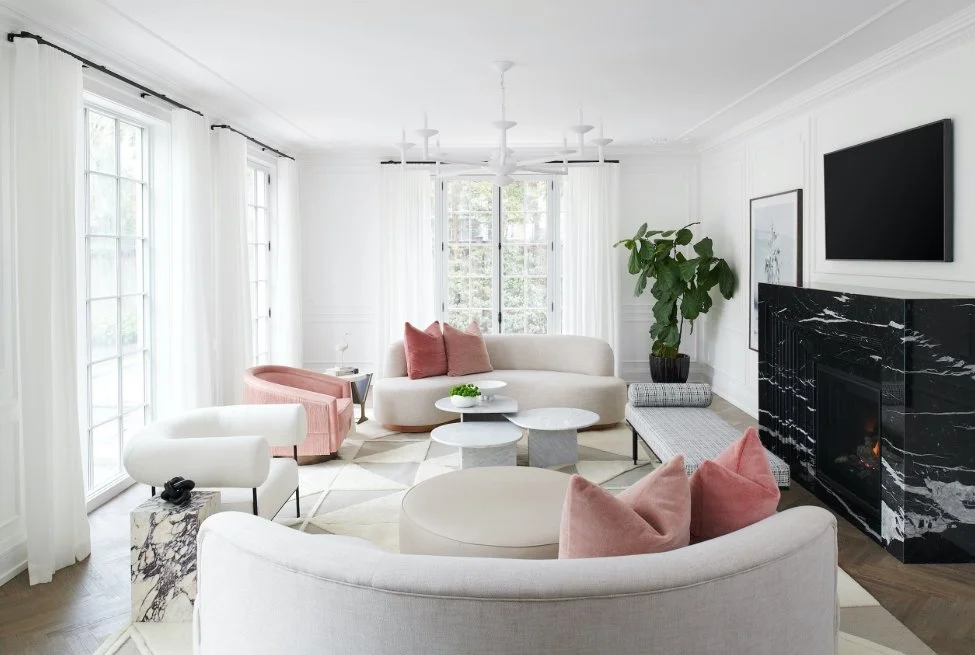
Building or renovating a home is a big investment, and there are countless decisions to make along the way. When it comes to technology, it can be tempting to focus on the latest TVs, speakers, or smart devices.
But if you're planning a new home or major renovation, the smartest place to invest isn't always in the devices you see, it's in the infrastructure and systems that make everything work together.
When Should You Bring in Your Technology Integrator?
Earlier than you probably think.
Ideally, technology should be part of the conversation during the design and planning stage, before electrical plans are finalized and certainly before drywall goes up.
Bringing your integrator in early allows the technology plan to be coordinated with the architecture, electrical, lighting, millwork, HVAC, security, and interior design. It also gives you more options for where equipment, wiring, speakers, keypads, access points, shades, and other technology can be placed.
Waiting until the end often means working around decisions that have already been made or paying more to undo them.
The earlier we're involved, the more seamlessly technology can become part of the design.
At OnHive, our mission is simple: We Connect you ➕ Technology.
If we were prioritizing technology from the beginning, these are the areas we'd put at the top of the list.
1. Complete Pre-Wire & Infrastructure
This might not be the most exciting part of a renovation, but it's arguably one of the most important.
Wire is cheap. Opening finished walls later is not.
A properly planned pre-wire provides the infrastructure for today's technology while leaving options for future upgrades.
Depending on the home, this could include wiring for:
Networking and Wi-Fi access points
TVs and AV
Speakers
Security cameras
Doorbells and access control
Motorized shades
Lighting control
Future technology and automation
The goal isn't to install everything today. It's to create the infrastructure that gives you options tomorrow.
A good pre-wire is essentially future-proofing your home before the walls are closed.
2. A Properly Designed Network
Everything is connected these days.
Your smart home, security system, TVs, streaming services, thermostats, lighting, shades, appliances, and personal devices all depend on the network.
Yet networking is often treated as an afterthought, something that gets addressed once the home is finished.
A professionally designed network considers the size and construction of the home, device count, access point locations, bandwidth requirements, security, and future expansion. The goal isn't simply to have Wi-Fi. It's to have reliable connectivity throughout the home.
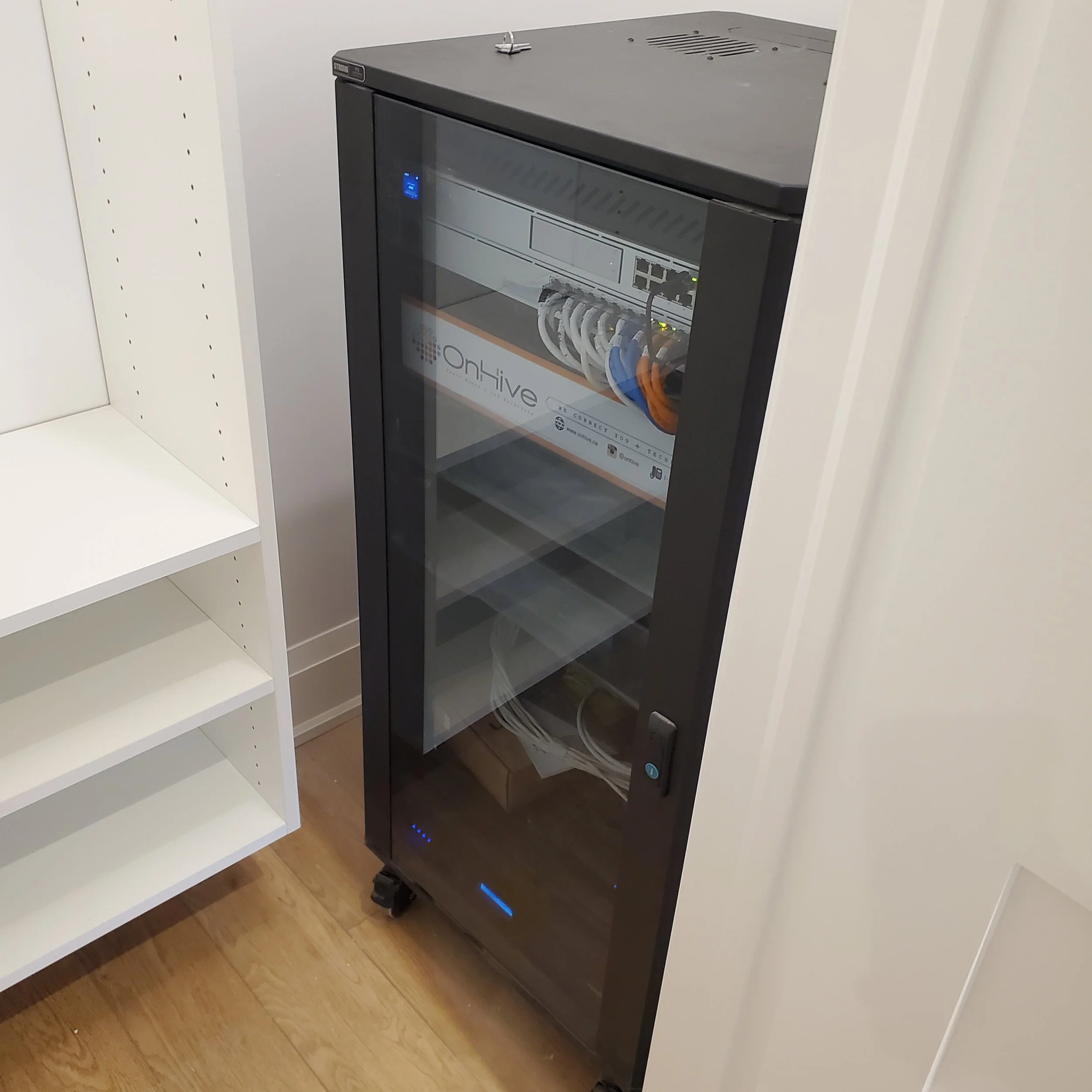
A good network provides reliable coverage, security, capacity, and room to grow as technology evolves.
A properly designed infrastructure keeps everything connected, organized, and ready to grow, supporting your home's technology today and tomorrow.
3. Centralized Lighting Control
Lighting is one of the most impactful technologies you can incorporate into a home, and it's something you'll interact with every single day.
A centralized lighting system allows you to control lighting throughout the home from keypads, apps, schedules, or automated scenes rather than managing individual switches and smart bulbs.
But it can go much further than simply turning lights on and off.
Modern lighting control can incorporate dimming, scenes, occupancy, daylight levels, and circadian lighting, helping the lighting environment adapt throughout the day.
For example, cooler, brighter light can support daytime activity, while warmer tones and lower light levels in the evening can help create a more comfortable environment.
Because lighting, wiring and control infrastructure are much easier to plan before the walls are closed, this is one area where thinking ahead can make a significant difference.
4. Motorized Shades
Motorized shades are another technology worth planning early, especially when you're already considering lighting control.
They can provide privacy, glare control, energy management, and convenience while also contributing to the overall aesthetic of the room.
And when integrated with lighting and automation, shades can become part of the home's scenes and routines.
Imagine the shades automatically adjusting based on the time of day, sunlight, or a particular scene.
For the cleanest result, shade power and control should be considered before the drywall and window treatments are finalized.
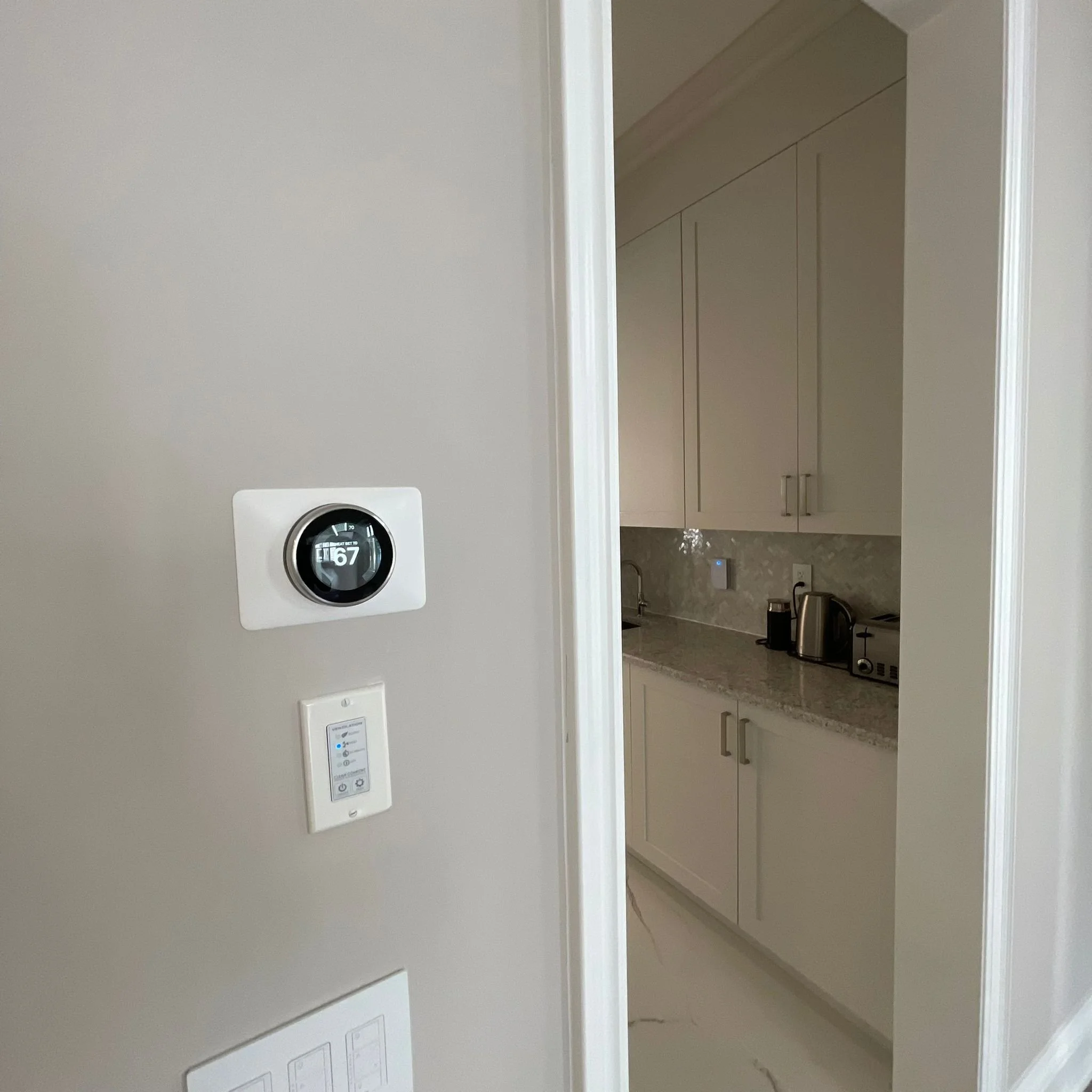
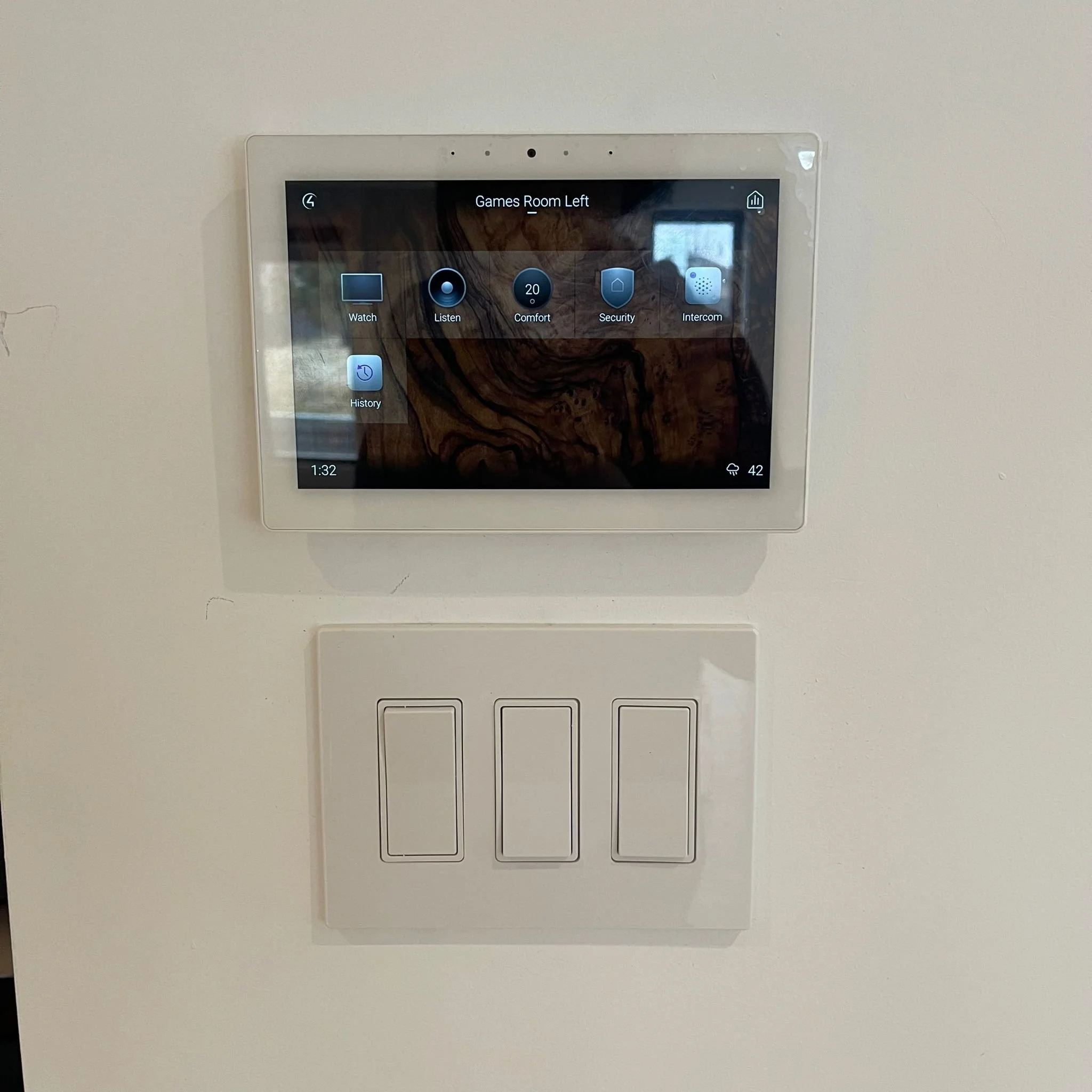
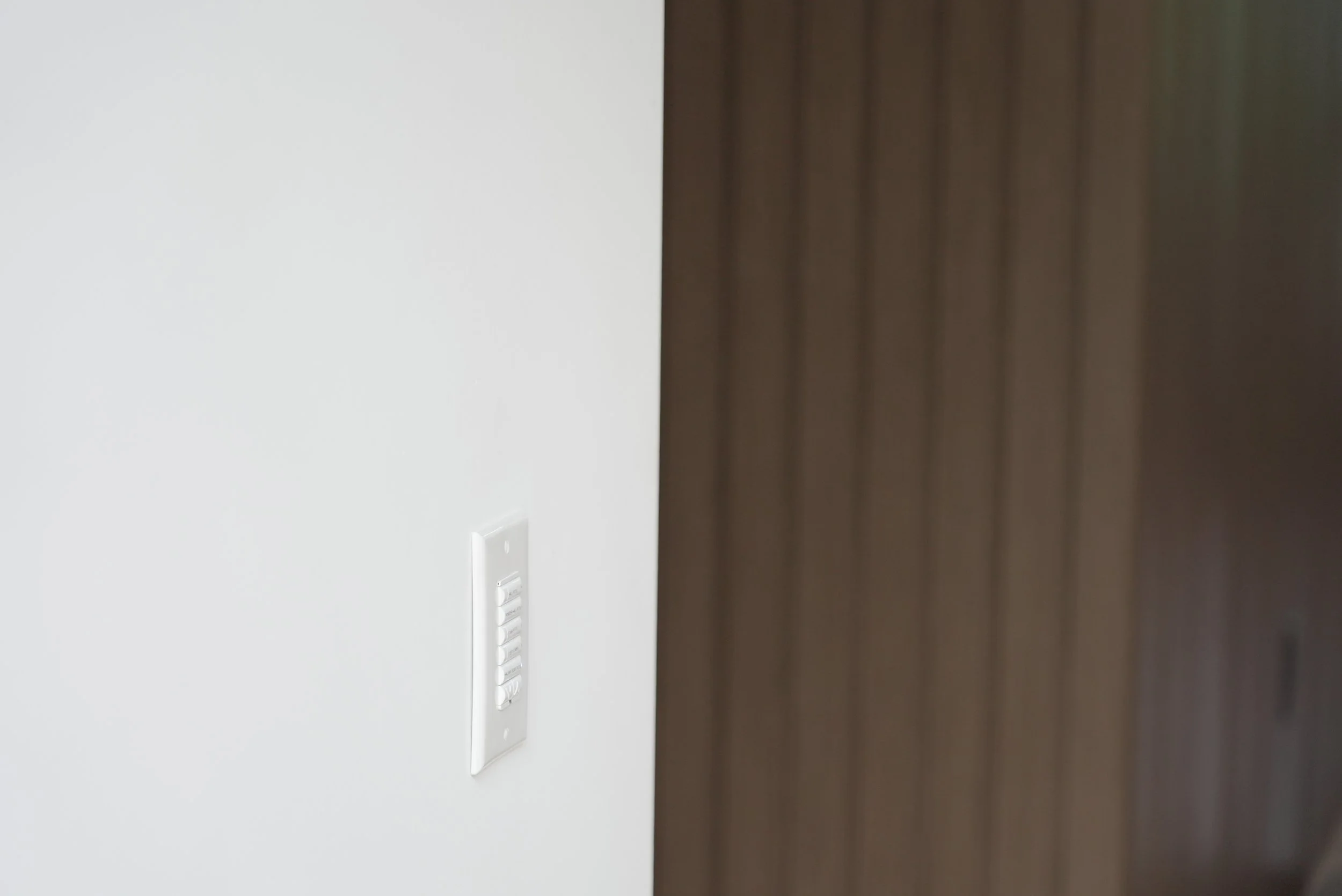
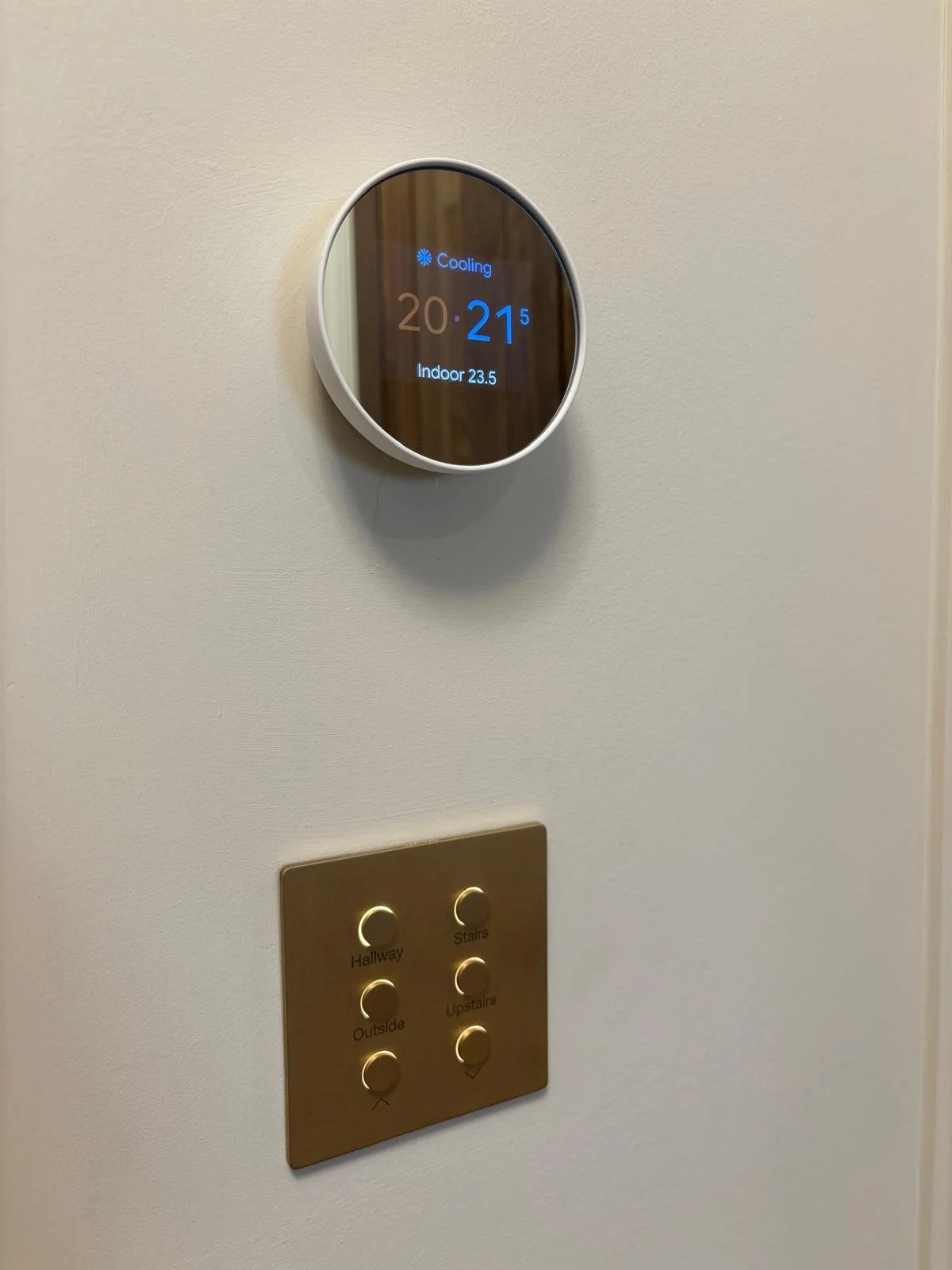
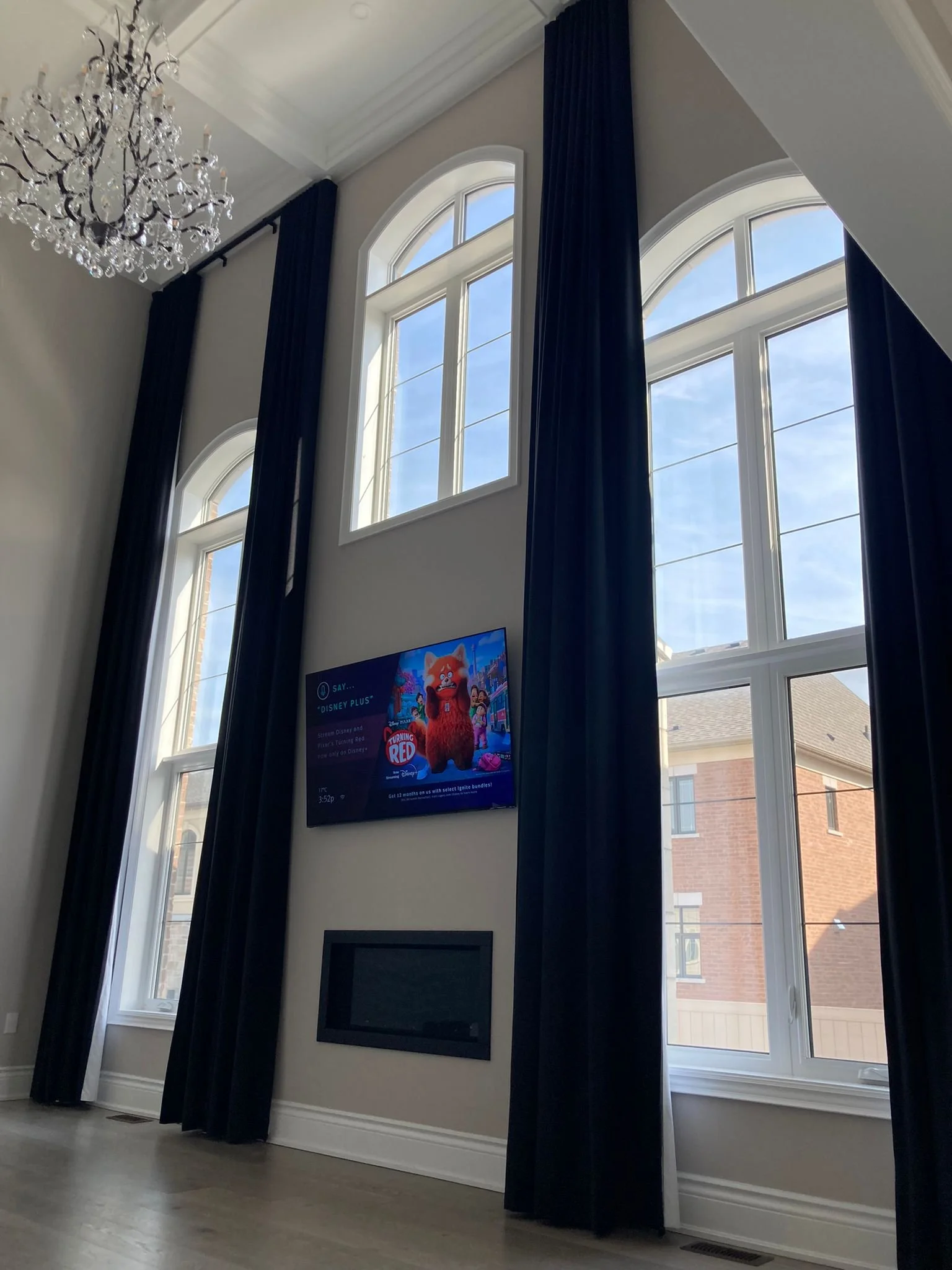
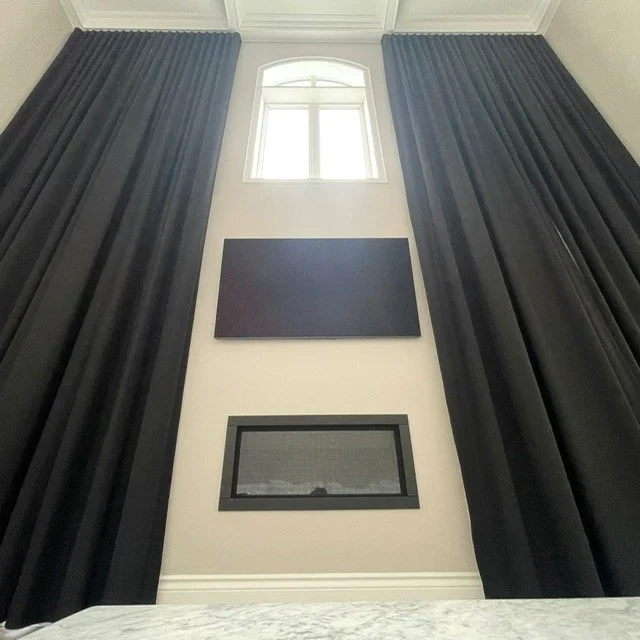
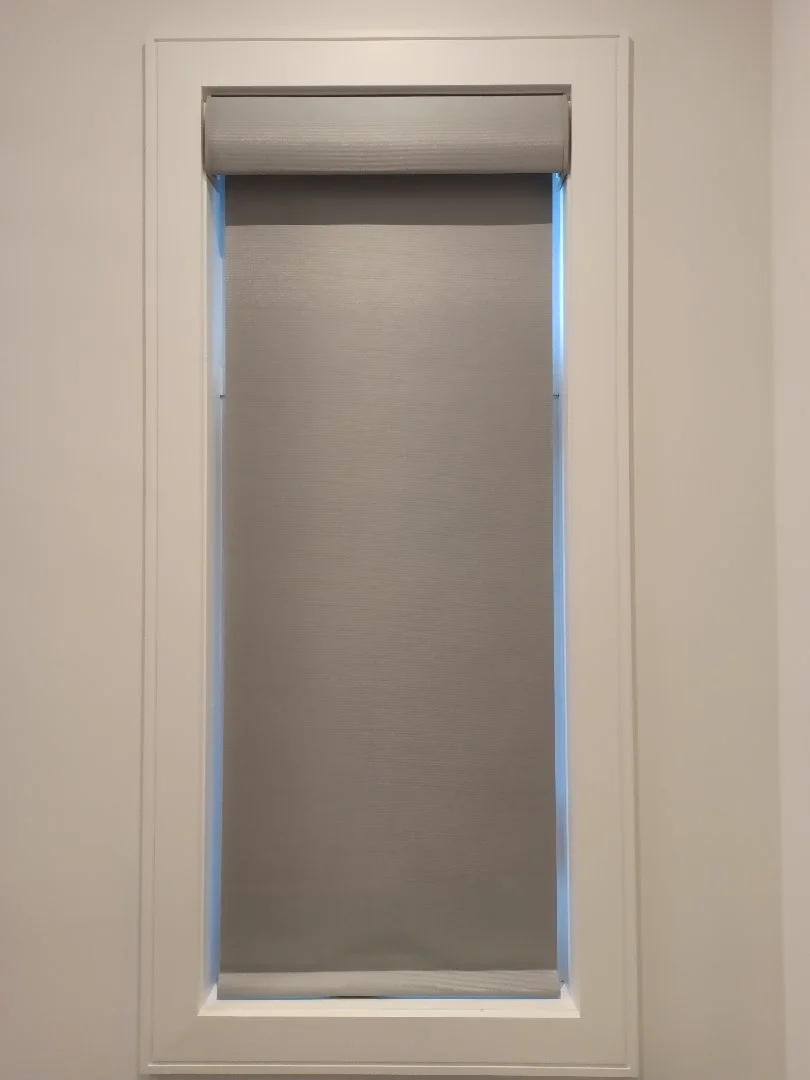
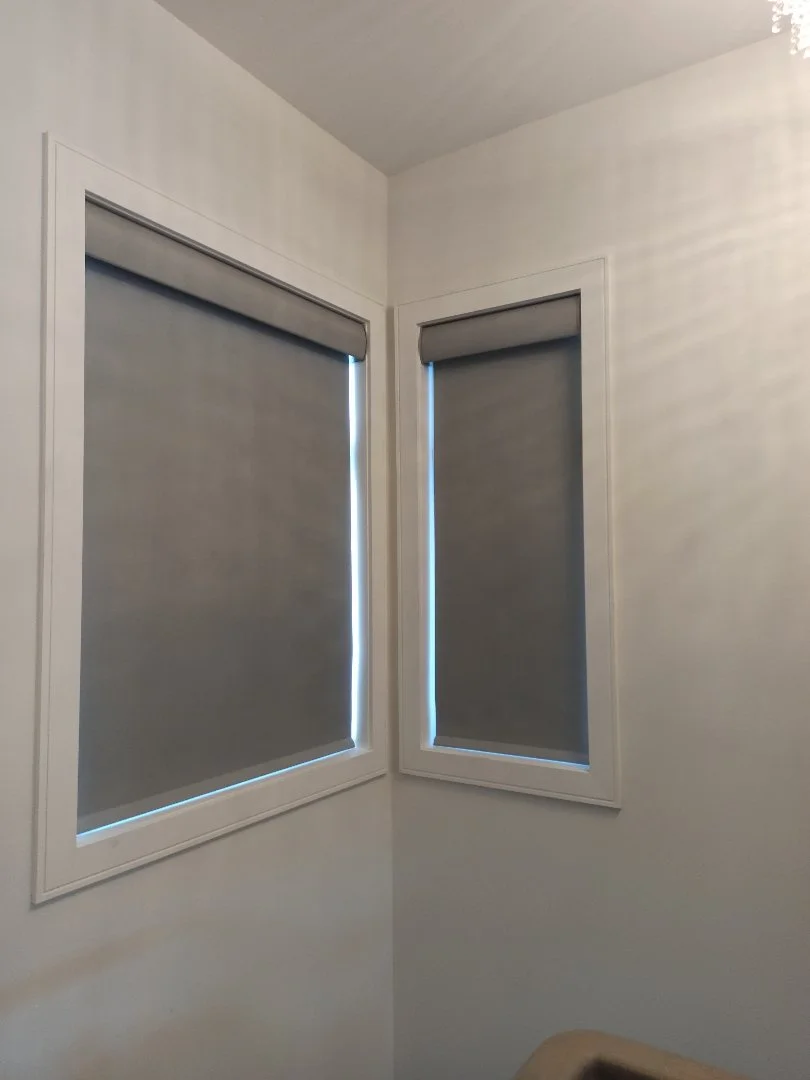
Don't just think switches, dimmers and shades. Think scenes, automation, circadian lighting, and whole-home control designed around how you actually live.
5. Don’t Forget the Outdoors
When designing a home, it’s easy to focus on everything happening inside and leave the outdoor spaces until later.
But patios, pools, gardens, outdoor kitchens, and entertaining areas are an extension of the home and they can benefit from thoughtful technology too.
Consider planning for:
Outdoor audio such as landscape speakers, rock speakers, or speakers integrated into planters and architectural features
Outdoor TVs and entertainment
Landscape lighting and lighting control
Wi-Fi coverage throughout the property
Security cameras and doorbells
Motorized shades and outdoor comfort solutions
Pool and spa control
Just like indoors, the best results come from planning these systems early. Conduit, wiring, speaker locations, network access points, and power can be coordinated with the landscape and architectural plans before everything is finished.
Your technology plan shouldn't stop at the back door.
6. A Unified Smart Home System
Once you start adding lighting, shades, HVAC, security, AV, and other connected systems, the number of individual devices can quickly grow.
That's where a unified smart home platform can make a major difference.
Instead of managing everything separately, an integrated system can bring multiple technologies together through a consistent interface and shared scenes.
For example:
"Good Morning" could open the shades, adjust the lighting, set the temperature, and start your preferred music.
"Goodnight" could turn off the lights, lower the shades, arm security, and lock the doors.
The value isn't simply having more automation. It's having technology that works together in a way that feels intuitive.
The Biggest Investment? Planning Early.
If you're building or renovating, one of the biggest technology mistakes is waiting until the end to think about technology.
By then, walls may be closed, ceilings finished, cabinetry installed, and opportunities for clean infrastructure may already be gone.
You don't need to know exactly which products you want. That's where we come in.
Our role is to understand how you want to live in the space, work with your design and construction team, and develop a technology plan that supports the home now while leaving room for the future.
The OnHive Difference
At OnHive, we work with homeowners, builders, architects, and designers from the early planning stages through installation and programming to make sure technology is considered as part of the overall design, not added as an afterthought.
From luxury homes and commercial spaces to completely bespoke engineering projects, our focus remains the same: designing technology around people, not asking people to adapt to technology.
Because the best technology isn't defined by the products you choose. It's defined by how well those products work together to support the way you live, work, and experience your space.
Want to find out how we can help with your space?
📍 Visit onhive.ca for expert advice, product recommendations, or help with your installation.
💬 Have questions? Our tech specialists are here to help.
👉 Contact us today and let’s connect you ➕ technology.
